A Practical Guide to Silk Bedding: Materials, Care, and Longevity
Explore the essentials of silk bedding, including why mulberry silk is prized for temperature regulation and hypoallergenic sleep. Learn how to choose the right silk-filled or silk-shell pieces and simple care tips to extend their lifespan.
Silk bedding has long been the epitome of quiet luxury. Among silks, mulberry silk stands out for its purity, strength, and exceptional ability to regulate temperature. In the world of sleep aesthetics, mulberry silk is not merely a fabric; it is a lifestyle choice—a way to cradle the body in a breathable, hypoallergenic embrace that feels both indulgent and scientifically grounded.
Why Mulberry Silk Commands premium sleep
Mulberry silk is harvested from the Bombyx mori larvae that feed exclusively on mulberry leaves. The result is a fiber renowned for its long filaments, exceptional sheen, and remarkable thermoregulation. When used in bedding, mulberry silk helps the body stay cooler in hot weather and warmer when the room dips—without the heaviness of traditional blankets. This intrinsic temperature regulation, paired with moisture management and natural hypoallergenic properties, makes mulberry silk a favorite among sleepers who prioritize skin and hair health, along with a serene night’s rest.
Silk’s protein structure resists bacteria and dust mites, reducing potential irritants for sensitive sleepers. The moment you slip beneath a silk-filled or silk-shell comforter, you may notice a smoother hand feel, reduced friction on the skin, and a quiet sense of airiness that encourages deep, undisturbed sleep.
In the luxury bedding market, mulberry silk is often measured by momme weight, which indicates density and durability. Common options include 19 momme, 22 momme, and beyond. A higher momme slab tends to deliver a denser, more substantial feel and improved longevity, while still preserving silk’s signature breathability.
Silk-filled versus silk-shell: what to expect
Two dominant silk configurations shape the silk bedding market: silk-filled comforters and silk-shell designs. Each offers distinct advantages depending on your climate, sleep preferences, and care expectations.
- These feature mulberry silk as the core fill, wrapped in a silk shell or cotton sateen shell. All-season silk-filled options deliver lightweight warmth and superior temperature regulation. They drape elegantly, providing a streamlined loft that contours to the body without bulk. For those who crave a consistently breathable layer that adapts across seasons, an all-season silk-filled comforter is a compelling choice.
- In the silk-shell variant, the inner fill may be down- or silk-based, but the outer shell is silk. This combination emphasizes the tactile luxury of silk against the skin, while maintaining a refined silhouette. Silk shells can emphasize enhanced drape and sheen, pairing beautifully with cotton sateen or other natural shells for a cohesive bed ensemble.
- Silk duvet covers, flat sheets, and fitted sheets extend the benefits of silk bedding. They regulate temperature, reduce friction on hair and skin, and maintain a consistent surface feel across the night. When selecting silk coverings, consider the weave (charmeuse for a soft drape; mulberry silk for durability), the momme weight, and the care requirements.
Materials and weights: deciphering momme and warmth
When browsing silk bedding, you will frequently encounter momme (mm) ratings. This unit measures the density of silk used in the fabric. In bedding, typical ranges are around 19 mm to 22 mm for duvet covers and sheets. A higher momme generally implies a more durable, weightier, and lustrous fabric with slower wear, though silk maintains a delicate feel at each weight.
For silk-filled comforters, the fill weight (expressed as grams per square meter or ounces per square yard in some labels) is equally important. A lighter weight (often considered summer or shoulder-season) can keep you comfortable on warm nights, while a mid-weight all-season option provides a balanced warmth without bulk. In colder climates, a winter-weight silk-filled option offers warmth while preserving breathability—an essential harmony that silk achieves so gracefully.
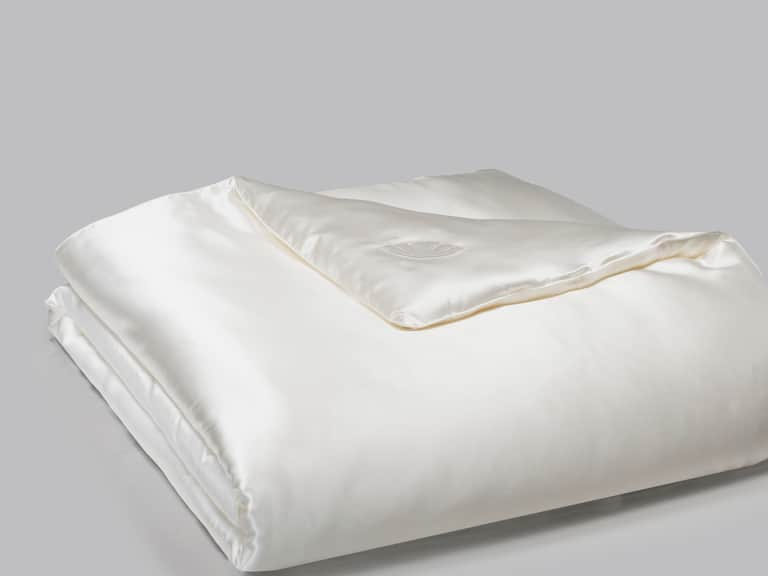
To illustrate, consider the All Season Silk Filled Comforter with Silk Shell—a garment of elegance that blends Grade 6A long-strand mulberry silk fill with a 16 Momme silk shell. This pairing creates breathable warmth, a calm surface, and a luxurious hand feel, all while remaining practical for year-round use. The inclusion of corner loops and piping edging emphasizes a tailored, hotel-like finish that looks polished under any duvet cover.
Care and longevity: keeping silk at its finest
Silk is a precious fiber that rewards gentle handling. Proper care extends its life and preserves its luminous surface. Here are practical guidelines to help you maintain silk bedding in peak condition:
- Follow the product’s care label. Silk can be washed on delicate cycles with a detergent designed for silk. Some pieces are best spot-cleaned or professionally laundered, especially if a product recommends dry cleaning or minimal washing.
- Use a mild detergent free of enzymes and brighteners. Harsh cleaners can degrade the silk over time.
- Avoid high heat. Air-dry silk whenever possible. If you must use heat, opt for a cool tumble dry or cool iron on the reverse side, never directly on the surface.
- Store silk bedding in a cool, dry place away from direct sunlight to minimize yellowing or fiber breakdown. Ensure it is fully dry before storage to prevent mildew.
- Rotate your silk pieces to distribute wear evenly. This is especially important for comforters and heavy-use items like duvet covers.
If you invest in silk shell constructions, such as a silk shell paired with a silk fill, care should be tailored to both layers. When the shell and fill require different laundering steps, prioritize the most delicate instruction to ensure both materials retain their integrity over time. The goal is to preserve sheen, texture, and loft for as long as possible.
A Vogue-ward eye on silhouettes: selecting silk bedding for your aesthetic
Silk bedding is not simply about function; it is a visual and tactile experience. Consider how silk interacts with your bedroom palette, lighting, and textures. A silk duvet cover in a pale ivory, for example, catches light with a soft glow and gently refracts it across the surface, while a silver-grey silk flat sheet offers a cool, editorial edge that pairs beautifully with darker, moody hues or lush natural textiles.
The pieces you choose—whether a smooth silk flat sheet, a lustrous silk duvet cover, or a silk-filled all-season comforter—should speak to a cohesive, elevated mood. The Silk-Duen ensemble can anchor a serene, spa-like space or contribute a refined, couture-inspired room that feels both timeless and current. Your silk story should feel curated and intimate, much like a well-staged Vogue editorial in your own home.
Three key historical figures and their lasting influence on the idea of comfort
Hypatia of Alexandria (c. 350–415 CE)
A symbol of luminous intellect and calm, Hypatia represents early elegance in textiles through scholarship and refined taste. While not directly linked to silk, her era’s pursuit of knowledge mirrors silk’s historical role as a luxury fiber prized by scholars and rulers alike. Silk’s quiet brilliance embodies Hypatia’s legacy of thoughtful, enduring pursuit—comfort that transcends trends.
Mary Wollstonecraft (1759–1797)
A champion of autonomy and refined taste, Wollstonecraft’s writings helped shape modern sensibilities around self-care and home life. Silk bedding, in its essence, speaks to a cultivated sense of self, a space to nurture intellect and rest. The elegance of silk aligns with a stance of living well—an era-defining thread in the tapestry of luxury sleep.