Bedding · Materials and care
How Sleep and Beyond’s myMerino Light Fits Warm-Weather Sleep
When the evenings turn mild, the right bed covering is less about maximum loft and more about a fine balance: enough warmth to feel settled, enough breathability to avoid waking overheated. A lightweight merino wool comforter offers one natural-fiber approach to that seasonal equation.
Published November 4, 2026
Warm-weather bedding can be an exercise in restraint. A heavy winter comforter may feel enveloping when temperatures fall, but as the bedroom warms, the same coverage can become cumbersome. Sleeping with only a sheet, meanwhile, may leave some people wanting a little more substance—especially in an air-conditioned room or on cool spring and autumn nights. The useful middle ground is a breathable layer with modest insulation and a lighter hand.
Sleep and Beyond’s myMerino Light is designed for that role. It pairs superfine merino wool with an organic cotton sateen shell, using a lighter fill than a conventional winter-weight comforter. The idea is not to make a blanket that feels cold, but to provide gentle warmth without the bulk that can make a bed feel too hot. Whether it suits a particular sleeper depends on room temperature, personal warmth preferences, and how the bedding is layered.
Understanding the fill, shell, construction, and care requirements makes it easier to assess any lightweight wool bedding. Those details reveal how a comforter may feel in use and whether it fits the practical rhythm of a warm-weather bedroom.
Why lighter bedding matters when the room warms up
Comfort at night is personal. Some sleepers prefer a cool room and a substantial covering; others are comfortable under a sheet alone. The same person may also find their needs shift with the season, changes in indoor heating or cooling, or the particular microclimate of a bedroom. For that reason, “warm-weather bedding” does not have to mean a single universal fabric or weight. It means choosing a layer that works with the conditions where you sleep.
A lighter comforter can offer a little more coverage than a sheet while avoiding the pronounced loft of a winter option. Fill weight matters because it gives a useful indication of how much material sits inside the shell, though it does not tell the whole story. Fiber type, quilting, shell fabric, and the way a sleeper responds to warmth all influence the experience. Product descriptions should be read as a guide, not a promise that every person will feel the same level of warmth.
Merino wool is valued in bedding for its ability to take up and release moisture, as well as its insulating qualities. Wool fibers can help moderate changes in warmth, but no filling can compensate for an excessively hot room or a stack of layers that is too heavy. The most effective approach is to consider the complete sleep setup: mattress, sheets, room conditions, nightwear, and the comforter together.
What the myMerino Light is made from
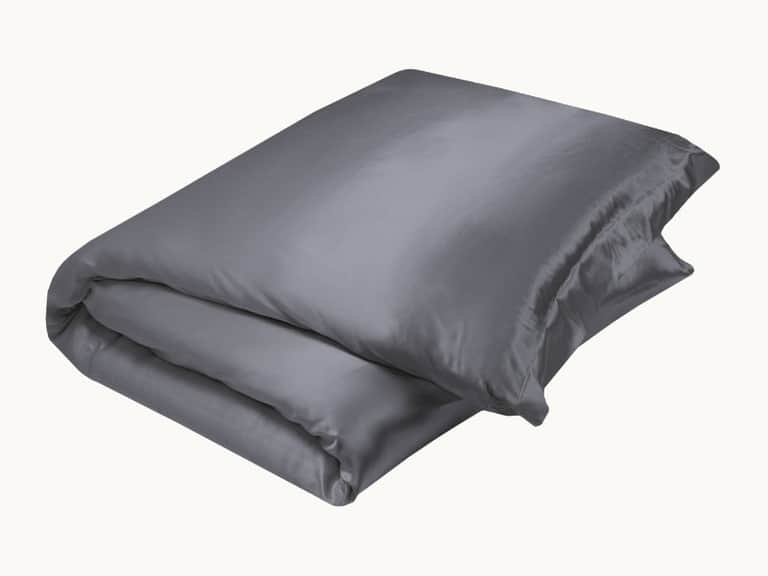
The myMerino Light combines superfine merino wool fill with an organic cotton sateen cover. The wool is the insulating layer, while the cotton shell forms the fabric surface around it. This pairing brings together two familiar natural fibers, each contributing a different part of the comforter’s character.
The product information describes a lightweight version intended for warmer seasons, warmer climates, or bedrooms kept cool overnight. Its listed fill weight is 5 ounces per square yard, or approximately 150 grams per square metre. For comparison, the same product information gives the standard myComforter a fill weight of 13 ounces per square yard. These figures describe the amount of fill per area; they are not a direct measure of the warmth every sleeper will experience. Still, they help illustrate why a lighter design may feel less substantial than a more heavily filled counterpart.
The shell is described as 100% natural cotton sateen, with a 300-thread-count specification for the Light model. Sateen refers to a weave structure that produces a smooth surface. Thread count is only one part of fabric quality: fiber, yarn, finishing, and construction also matter. A higher number on its own does not guarantee better breathability or a more comfortable night. In this case, the important practical point is that the shell is cotton and the fill is wool, so the materials and care needs are distinct.
Understanding the feel of merino wool bedding
Merino wool is often associated with fine fibers and a soft handle, but a filled comforter does not feel quite like a wool sweater. The shell separates the sleeper from the filling, and the finished feel depends on the fabric, quilting, and how the comforter drapes. In a light version, the intention is generally a less weighty covering rather than an absence of insulation.
Wool’s relationship with moisture is one reason it appears in bedding for people who dislike a clammy sleep environment. Wool can absorb moisture vapor and release it over time, which may help the bedding feel more comfortable as conditions change. This does not mean that a wool comforter prevents sweating, treats a sleep problem, or guarantees temperature control. It is a material characteristic, not a medical outcome, and the result varies according to the person and bedroom.
For someone who sleeps hot, “natural” should not be taken to mean automatically cool. A lightweight wool comforter can still feel too warm if the room is hot, the sleeper prefers minimal coverage, or additional blankets are layered on top. Conversely, a person who likes a gentle covering may appreciate the balance of a lighter wool fill when a sheet alone feels insufficient. A few nights of adjustment can help clarify whether the weight suits the season.
Choosing between lightweight and standard fill
The main question is not which weight is objectively best, but which one is appropriate for the way the bed is used. The myMerino Light is positioned as a lighter option for three-season use and warmer conditions. A more substantial comforter may be a better fit for colder rooms or sleepers who consistently want greater insulation.
- Consider the room first. A naturally cool room, a powerful air conditioner, or an open window can make a light comforter feel more useful. A warm, poorly ventilated bedroom may call for less coverage still.
- Think about your personal warmth preference. If you regularly push a heavy comforter aside, a lighter fill may be worth considering. If you feel cold under a sheet, light fill might not provide enough insulation in your climate.
- Account for the rest of the bed. Flannel sheets, mattress toppers, blankets, and sleepwear all affect perceived warmth. A lighter comforter can be part of a flexible system rather than the only source of insulation.
- Check the stated fill weight and size. Fill weight per area helps with comparisons, while dimensions determine coverage. A generously sized comforter may feel more enveloping even if its fill is light.
- Read the care label before choosing. Wool products vary in construction and laundering instructions. The exact label takes precedence over general advice about wool.
For a couple sharing a bed, preferences may diverge. One sleeper may want a warm layer while the other wants a sheet and open air. Before choosing a shared comforter, consider whether separate blankets or a deliberately layered arrangement would offer greater control. A single lightweight comforter can be a compromise, but it cannot create two distinct temperature zones by itself.
Shell, quilting, and the details that shape performance
The shell is not merely a decorative wrapper. It contains the fill, affects the surface feel, and contributes to how the comforter moves across the bed. Cotton sateen is typically smoother in appearance and touch than a plain-weave cotton percale, although the specific finish and construction determine the final feel. For the myMerino Light, the organic cotton sateen shell offers a soft, refined surface around the wool filling.
Quilting and internal construction are equally important. Stitching helps keep batting in position and can reduce movement or unevenness over time. The myMerino Light is described as having an exclusive quilting pattern intended to keep the wool batting from shifting. A comforter that holds its fill evenly is more likely to provide consistent coverage across the bed, rather than leaving thin areas beside dense pockets.
Also look for practical features such as corner loops or ties if the comforter will be used inside a duvet cover. These points can help secure an insert and limit bunching as the bed is made or used. Confirm the precise features on the version being considered; specifications can differ between product variations. A removable duvet cover may be especially useful for a comforter that is not intended for frequent washing.
A considered care routine for wool
Good care is less about constant washing than about keeping the comforter protected, dry, and aired. Wool bedding generally benefits from avoiding unnecessary laundering, since washing can place stress on both the filling and the construction. The care directions supplied for the myMerino Light recommend using a removable duvet cover and airing or sunning the comforter periodically. They also advise spot-cleaning the cotton cover with a soft brush and mild detergent, then allowing it to dry completely.
For larger stains, the product care guidance recommends eco-friendly dry cleaning on a short cycle with limited moisture. Because laundering advice can vary by model and may change, check the care label that arrives with the comforter before attempting any cleaning. Do not assume that a wool-filled item is machine-washable simply because another wool product is designed for a gentle wash.
A removable cover is a practical first line of protection. It takes the contact of everyday use and can usually be laundered more easily than the insert. Make sure the cover is fully dry before putting it back on, and allow the comforter itself to air out whenever the room and weather permit. Storage also matters: keep the comforter clean and completely dry before storing it in a breathable space, away from dampness and prolonged compression.
For regular refreshment, brief airing in a dry, well-ventilated place can help release accumulated odors and moisture. Direct sunlight may be useful for a short period when the care instructions permit, but long exposure can affect textiles. The goal is gentle maintenance, not repeated or prolonged treatment. When in doubt, follow the manufacturer’s current instructions rather than improvising a washing routine.
How to layer it for summer and the shoulder seasons
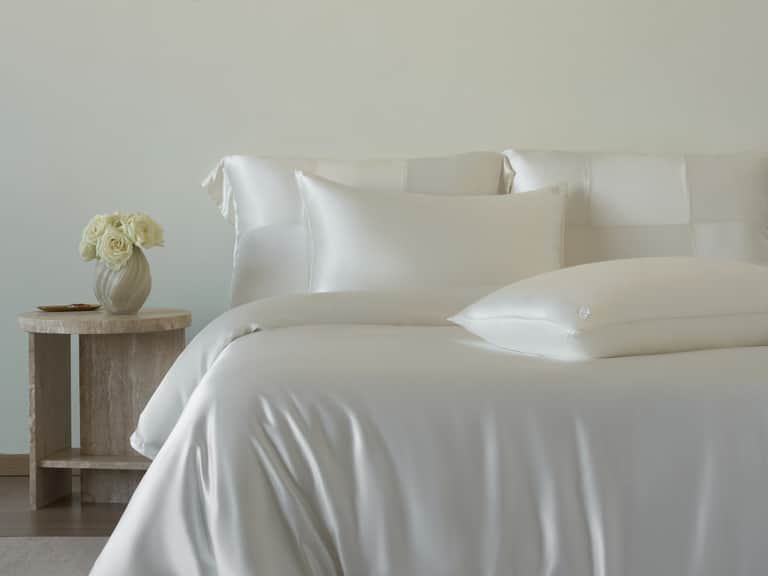
Warm-weather bedding is often most successful when it can be adjusted. Begin with breathable sheets and add the myMerino Light as the upper layer. On warmer nights, fold it toward the foot of the bed or use only part of its coverage. When a cool evening arrives, pull it up without adding the bulk of a winter comforter. That simple flexibility is one of the advantages of choosing a lighter layer.
Sheet choice influences the overall sensation against the skin. A crisp cotton percale sheet, such as the [BOVI Magnolia Sheet Set](/products/bovi-magnolia-sheet-set-5288), offers a breathable cotton surface and a cooler, more matte feel. Pairing cotton sheets with a wool-filled comforter creates a useful contrast in texture and function: the sheets form the immediate sleep surface, while the comforter supplies adjustable insulation above them.
In a room with strong air conditioning, a light comforter may be useful even in summer. In a humid or naturally warm space, a sheet may be sufficient for part of the night, with the comforter kept within reach. If the weather changes sharply between evening and early morning, a duvet cover can make the bedding easier to manage and protect the insert at the same time.
What “hypoallergenic” and “temperature regulating” can—and cannot—mean
Descriptions of wool bedding often use words such as “hypoallergenic” and “temperature regulating.” Treat these as general product attributes, not guarantees. Wool is naturally resistant to some conditions that can encourage dust mites, mold, and mildew, but a finished comforter is not automatically suitable for every allergy or sensitivity. The shell, the bedroom environment, cleaning practices, and individual reactions all matter.
Similarly, temperature regulation describes how a material may interact with warmth and moisture; it does not promise a fixed sleep temperature. No comforter can compensate for every source of discomfort, and bedding is only one part of the sleep environment. Anyone with a known wool sensitivity should consider that carefully and consult an appropriate health professional if unsure.
When checking claims, look for the exact certification named by the product information and verify what it covers. A textile safety certification is not the same as a medical endorsement or a guarantee of a particular sleep outcome. Clear, specific information about fiber content, shell, fill weight, origin, and care is more useful than broad promotional language.
A practical checklist before you decide
Before choosing the myMerino Light or another lightweight wool comforter, take a moment to match its details to your everyday routine. The following questions can make the decision more concrete:
- Is your bedroom warm, cool, or variable through the night?
- Do you prefer a layer over your body even when the weather is mild?
- Does the stated fill weight align with the level of coverage you want?
- Will the comforter fit your bed and duvet cover without pulling or bunching?
- Are corner loops or other securing details important to your setup?
- Are you comfortable using a cover and following wool-specific care instructions?
- Have you checked the care label and confirmed the model’s precise specifications?
These questions are especially useful when comparing lightweight wool bedding with silk, cotton, or down alternatives. Each material has its own combination of weight, drape, loft, and maintenance. Silk-filled designs may offer a flatter, supple profile; cotton fill may feel more substantial; down tends to be associated with loft; and wool offers a different balance of insulation and moisture management. The best comparison starts with the characteristics that matter in your own bed, not a generic ranking of fibers.
The quiet appeal of a seasonal layer
The appeal of the myMerino Light is its modesty. It is not presented as an oversized winter cocoon, but as a lighter natural-fiber option for people who want a little warmth without a heavily filled bed covering. Superfine merino wool, an organic cotton sateen shell, and a 5-ounce-per-square-yard fill make its intended role clear: a restrained layer for warmer seasons, transitional weather, or bedrooms kept cool at night.
Its suitability remains personal. A warm sleeper in a hot room may still prefer a sheet, while someone who enjoys gentle coverage could find a light wool comforter comfortable well into summer. Evaluate the room, the fill weight, the shell, and the care requirements together. With a washable duvet cover, occasional airing, and thoughtful layering, a lighter comforter can serve as a flexible part of a bed rather than a fixed answer to every season.
Ultimately, warm-weather sleep is less about finding a miraculous material than creating a setting that feels balanced. The myMerino Light offers one considered option: natural fibers, reduced fill, and a care routine built around protection and airing. For sleepers seeking the softness of a covered bed without the presence of a winter-weight comforter, that distinction may be exactly the point.