Bed covers are top layers used to protect bedding, add warmth, and create a finished surface for a bed. Depending on their construction, they may function as lightweight coverlets or as removable coverings for comforters. Understanding fabric, texture, and layering helps distinguish bed covers from sheets, pillows, and other bedding essentials.
The Cascade Organic Matelasse Coverlet combines an organic-material designation with matelasse texture, a woven pattern that gives fabric a raised, quilted appearance without necessarily relying on thick padding. Its coverlet format is useful as a decorative top layer or light covering, and it can complement sheets and comforters in layered bedding arrangements.
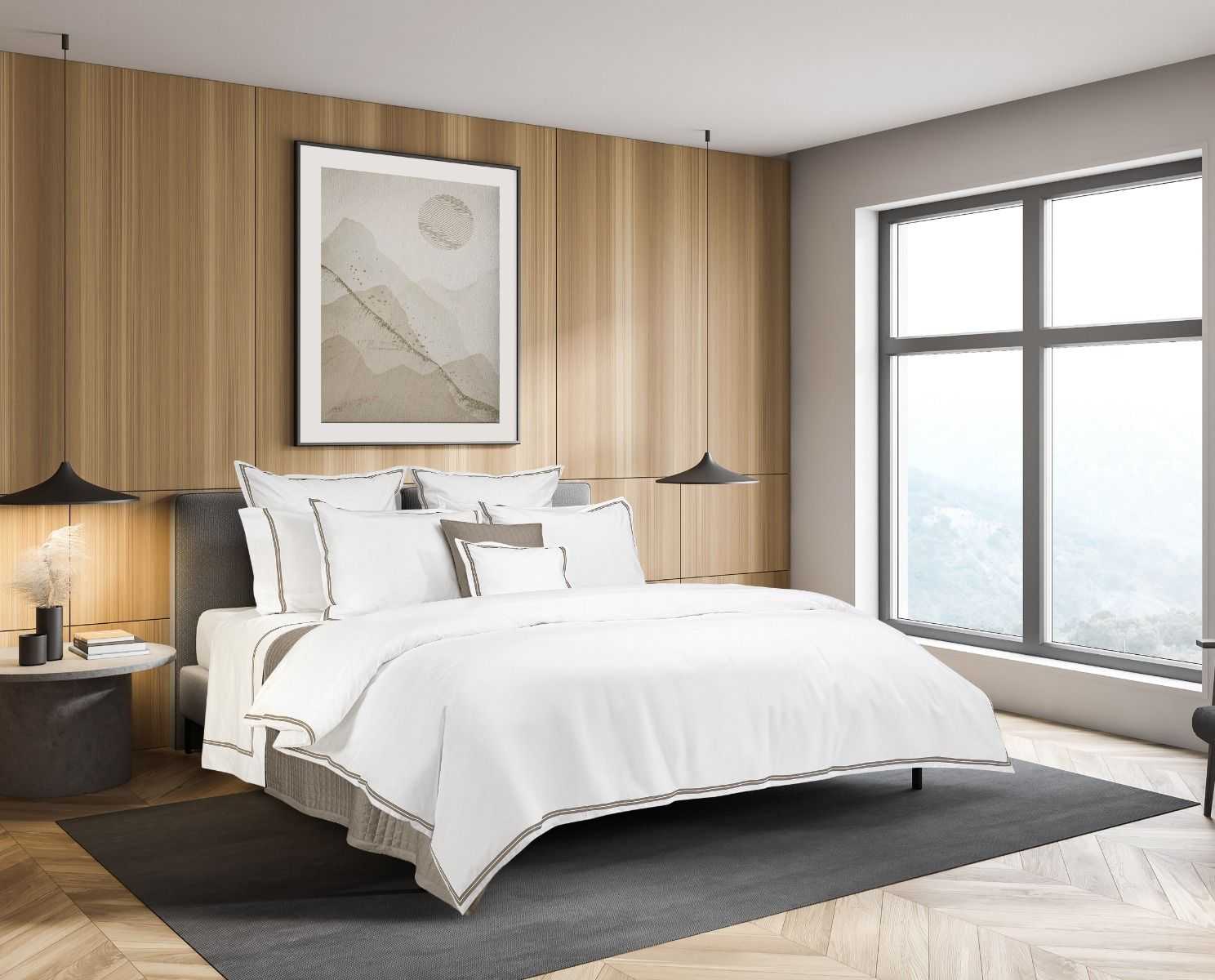
The Mylos Duvet Cover is designed as a removable outer layer for a duvet insert or comforter. Duvet covers help shield the inner bedding from everyday contact and can be removed for laundering, subject to the care instructions for the fabric. This format supports flexible bedding layers and may reduce the need to wash a bulky comforter as often.
When choosing among bed covers, consider how the item will be used, its material, texture, and care requirements. A coverlet typically rests directly over sheets or other bedding as a lighter layer, while a duvet cover encloses an insert. These distinctions help determine how each option fits a bedroom’s comfort, protection, and upkeep needs.
Bed covers can work alongside pillows, sheets, comforters, and down comforters to build a practical bedding system. A textured matelasse coverlet adds a distinct surface layer, while a duvet cover provides a washable barrier around an insert. Comparing these functions helps clarify how different bedding pieces contribute to comfort, appearance, and everyday maintenance.
 Bedding